Have an interesting conservation story? Want to request an adorable animal to be spotlighted?

E-mail ConservationCute@gmail.com


Showing posts with label critically endangered. Show all posts

Thursday, May 31, 2012

Easing Florida Panthers' Migration


Conservation groups have protected over 1200 acres near the Florida Everglades, with the purpose of easing the migration of the critically endangered Florida panther. The panthers have been moving with increased frequency from the Everglades into Central Florida. Even though very few of the creatures are presumed to live and travel among the protected area, there are so little of the animals (especially females) left that their preservation is considered a top priority to many.


The Florida panther is perhaps most notably Florida's state animal.  As with all cats, the animal is a carnivore, subsisted primarily on rabbits, birds, and deer. Habitat loss due to human's development is the main cause of the stark population decrease. The panthers require about 200 square miles of habitat per breeding group of one male and three females.

Tuesday, November 30, 2010

List of Unique and Threatened Mammals Announced


Earlier this month, the Zoological Society of London announced its picks for the most distinct and endangered mammals. Topping its list were several species of echidna, all three of which are considered to be critically endangered. The list is comprised of animals that the ZSL considers to be "evolutionarily distinct," "represent[ing] a huge amount of mammalian genetic diversity." The other animals on the top of this list include the aardvark, platypus, monito del monte (resembling a mouse-monkey cross), two types of Solendons (which resemble large elephant shrews), and the dugong.


The echidna, also called the spiny anteater, is one of only two species of egg-laying mammals (monotremes). Although babies, called puggles, are born from an egg, they hatch inside of their mother's pouch and return to her for breast-feeding. They primarily eat insects, using their long snout and sticky tongue to collect their dinner from anthills and logs. They live exclusively in Papau New Guinea, where they have been hunted to critical endangerment. Some designated areas exist where the echidna cannot be harmed, but more conservation is needed to protect these and all unique and endangered species from extinction.

For a complete listing of the 100 most endangered and unique mammals, visit EDGE.

Thursday, October 28, 2010

New Species of Critically Endangered Monkey Discovered

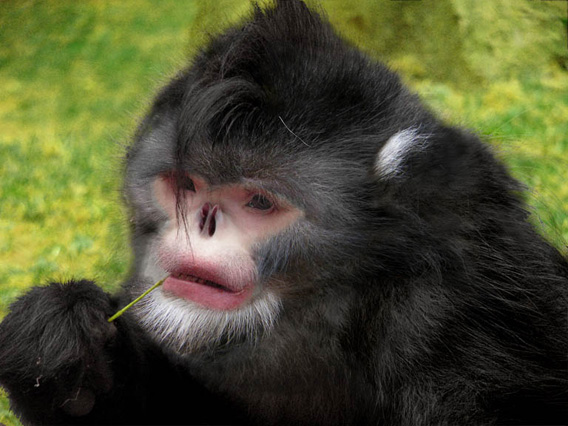
The Myanmar, or Burmese, Snub-Nosed Monkey was only recently discovered in early 2010. While no live examples of the species have been found, a carcass of the creature has offered insight into the lives of these new animals. Their open, upturned nose is its most distinguishable feature, causing the monkey to sneeze during storms as water enters his naval passages. To avoid this, the monkeys have been seen by locals sitting with their faces tucked downwards, protecting their noses from the rain.


The Myanmar Snub-Nosed Monkey has already been considered as being critically endangered, despite having never been scientifically documented. Researchers believe that that only approximately 300 individuals survive, having been hunted for their meat by the locals, and caught in traps. The Chinese logging industry is blamed as another cause of the monkeys' low numbers. The areas being cleared out, both legally and illegally, is encroaching upon the areas where these monkeys are thought to dwell. Conservationists are already moving to educate local people and to create a protected area where the monkeys can roam safely.

Tuesday, July 13, 2010

Tiger Conservation Summit Planned


Thirteen countries are planning to meet to discuss improving tiger populations worldwide. The meeting will take place in Bali, Indonesia, scheduled for September 15-18, 2010. The Bali Tiger Forum has been constructed to plan the global summit, which will focus on how to double the tiger population by 2022. In addition to the thirteen senior government officials, the summit will also be attended by tiger experts and NGOs.


Tigers are the largest of the big cat species, weighing in at over 600 pounds for some males. There are nine tiger subspecies in the world today, dwelling throughout Asia, with three known species that have become extinct. Almost half of all tigers in the wild are Bengal tigers, as are most in captivity. Another subspecies, the South China Tiger is the most critically endangered of the tigers, being considered one of the ten most endangered animals in the world. All tigers are strong swimmers, and have recently been found to even do some hunting from water. They are almost exclusively carnivores, hunting animals as small as fish, and as large as buffalo, who commonly weigh six times more than the tiger. Interestingly, their distinctive striped pattern is not just on their fur, but can be found on the tiger's skin, visible even if shaved. The stripes appear to be useful in camouflaging the animal among shadows of tree branches and grasses.

Wild tigers are becoming incredibly endangered. While an estimated 12,000 tigers are kept as pets in the USA alone, only between 3,000 and 5,000 adult tigers exist in the wild, globally. Poaching of tigers, for their beautiful fur and for use of their body parts as part of traditional medicine, is one of the main causes of the population decline, alongside habitat degradation. Conservationists hope to increase penalties against poachers and those who illegally farm tigers for their parts. It is hoped that the large captive population of tigers can one day be reintroduced into the wild.

Tuesday, July 6, 2010

Disney Reveals Plight of Cottontop Tamarins


Disney's Animal Kingdom conservation biologists, headed by Dr. Ann Savage, have determined an accurate population estimate of the critically endangered cottontop tamarin. Dr. Savage reports in the journal Nature Communication that approximately 7,000 individuals remain in the wild. Prior to the study, a reliable way of calculating the population size had not been known. What Dr. Savage discovered is that the cottontop tamarins are attracted to the sound of other tamarin voices. Recorded tamarin vocalizations were played in the cottontop's habitat, as the researchers counted the number of individuals who came to determine the noise's source.


The cottontop tamarin is a small monkey living exclusively in the wild in the rain forests of Columbia. They are small creatures, weighing less than a pound in adulthood, and measuring only six inches from head to start of the tail. They eat a varied diet of natural vegetation and small animals such as lizards and insects. They have an advanced communication system, using 38 different sounds and adhering to grammatical rules. The cottontop tamarin females are especially nurturing, oftentimes forgoing their own fertility to care for other tamarins' young as needed, even sharing food with non-related juveniles.

Forest loss is the main cause for the cottontop tamarin's decline. Even in protected areas, forests have been shrinking. Although they have been protected in Columbia since 1969, the animal was often taken for use in the medicinal, pet trade and zoo industries. It is currently illegal to export the monkey. The cottontop tamarin has been especially sought after by the medicinal community, as it is the only species outside of humans that spontaneously develop colon cancer. Tens of thousands of tamarins were imported into the US in the 1960s and 1970s for research into treatment of the cancer. Dr. Savage's previously mentioned study is the first of its kind, researching the cottontop tamarin. Otherwise, little has been done to protect or research the species. Training local populations to respect the tamarin and the rain forests, and continuing to breed cottontop tamarins in captivity are currently the main conservation efforts being utilized.

Thursday, June 24, 2010

Conservation Protection Sought for Bumblebees


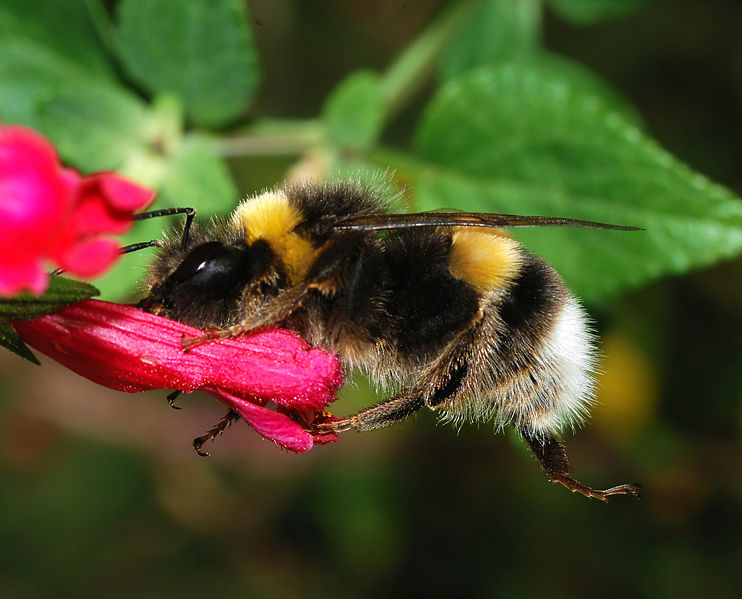
A petition was filed by the Society for Invertebrate Conservation to add several species of bumblebee to the endangered species list. The Rusty Patched, Western, and Yellow Bumblebees have all seen a drop in population in current years, in addition to the Franklin's Bumblebee which is already considered a critically endangered species. The society hopes that the US Department of Agriculture will approve actions to measure and regulate commercial bumblebee movement between states. Diseases are killing off the bumbles, with two species (Franklin's and Rusty Patched) nearing extinction. The petition asks that bumblebees receive certification that they are disease-free in order to be moved to non-native areas in the country.


Bumblebees are most known for their transmission of pollen between plants, vibrating its flight muscles to shake pollen out of oddly-shaped plants, and later to disperse the pollen. Also, the furry hairs on their backs, called pile, accumulates electrostatic charges as they fly, making the pollen attracted to their pile. Only the queen and the worker bees have the ability to sting, while the small male drone bumblebee do not. They are not aggressive insects though and will not sting unless necessary, as the worker bees will die after stinging a human and losing its barb in our muscle tissue. Bumblebees do produce honey, as their honey bee cousins are known for, but they only produce it in quantities to feed their young.

Bumblebees populations have been decreasing because of habitat destruction and the use of pesticides. Bees are estimated to have lost 90% of their population in the last 50 years, with Africanized bees taking over some areas. Bumblebees are especially vulnerable where cotton is grown, as the crop tends to be sprayed with insecticide many times over the growing season. Even in typical lawns, bumblebees are losing ground, as homeowners treat dandelions and clovers as weeds, stripping the bees of necessary nutrients. Other types of development of property and destruction of natural weeds and flowers are just as harmful. Conservationists are hoping to restore wildlife areas and encourage diversifying landscapes with bee-friendly plants.

Monday, June 21, 2010

Critically Endangered Kemp's Ridley Sea Turtles Rehabbed and Released


Three Kemp's Ridley Sea Turtles were released by the National Aquarium on June 19, 2010 after receiving six months of extensive rehabilitation. One of the turtles, later named Marshall, had been found cold-stunned in Massachusetts on December 1, 2009. It is an unfortunate, but common occurrence for turtles who have travelled too far north. After two weeks of slow warming and veterinary services, Marshall was relocated to the National Aquarium, in Baltimore, to receive further treatment. He underwent rehabilitation for pneumonia, a bacterial infection, and many scrapes and cuts. Now that he has been released, fans can still follow the adventures of Marshall, via a transmitter attached to his back, beaming the aquarium information about his current whereabouts.


The Kemp's Ridley is the smallest of the sea turtle species, weighing around 100 pounds when full-grown. They are considered to be critically endangered, the world's most endangered sea turtle, with only 1000 nesting females calculated to exist. The Kemp's Ridley Turtle is the only type of sea turtle to lay its eggs in the daylight hours, when hundreds of females bound up Mexican beaches. Shrimp trawls are the main threat to the turtles, so Turtle Excluder Devices are being put in the nets to keep them from harm's way. Their nesting beaches have been protected as sanctuaries for decades, and conservationists now use the areas as release grounds for hundreds of captive-born hatchlings.

Friday, June 18, 2010

Hope For Beached Fin Whale


For the last three days, a fin whale has been stranded in a Danish fjord. It was thought that the young behemoth was ill and was expected to die in the near future. It had become exhausted after struggling to free itself from the shallow bank. As firemen sprayed it with water, trying to give it a less painful departure from this world, the whale began swimming again today, restoring hope for onlookers. As evening comes, rescuers will try to point the whale in the right direction, back into the high seas.


The fin whale is the second largest animal on the planet (behind only the blue whale), reaching lengths of 88 feet. A newborn weighs 4000 pounds, and an adult can grow to be 150,000 pounds. Because of their size, they, along with the blue whale, produce the lowest-frequency sounds sounds made by any animal.  They live almost exclusively off of krill, an animal similar to a tiny shrimp. Fin whales live to be approximately 100 years old.

Fin whales are currently listed as being endangered, with an estimated 40,000 individuals still remaining in the wild. Fin whale populations are primarily harmed by commercial whalers, seeking their blubber, oil and baleen. In the 1930s, over 28,000 fin whales were caught each year. Hunting of fin whales became illegal in all waters in 1987, though many countries still allow themselves a dozen or so creatures a year to hunt and market. Conservationists continue to push for zero fin whales to be hunted each year.
via AFP

Thursday, June 17, 2010

Zoo Atlanta Giant Panda Artifically Inseminated


A female giant panda was recently artificially inseminated at Zoo Atlanta. It is currently unknown whether the attempt will prove fruitful, as panda births in captivity are rare. Hope is up, however, as two panda cubs have been born to the mother bear in the past. Female pandas are only fertile for two or three days a year, making the insemination that much more difficult. Only time will tell now, hopefully with a cub being born in 90 to 160 days.


The giant panda is an endangered, bamboo-eating bear, indigenous to China. It is interesting that they eat bamboo, which makes up 99% of their diet, as they still have the digestion makeup of a carnivore. They are unable to fully process the vegetation, receiving little energy from it. It is because of this that giant pandas must eat 20 to 30 pounds of bamboo each day, and live relatively solitary, docile lives.

There are an estimated 2000 pandas in the wild and about 250 in captivity. While these numbers have increased recently, the survival of the species remains unsure. Pandas have been victims of poaching since ancient times, but have been less threatened by this in recent times. Increased penalties on poachers, including the death penalty, have demotivated most interested in the money from their skins.The main threat however remains the degradation of their habitat. Because of their love of bamboo, giant pandas have limited options of where to live. As China has expanded development into the hills and mountains where the bamboo grows, giant pandas have had fewer places to roam. Now that captive breeding programs are becoming more successful, the problem is becoming more apparent, as locations simply do not exist in the wild to support the current number of pandas. Panda reserves have been created in the hopes of protecting some land for the pandas, if their numbers return to normal.

Wednesday, June 16, 2010

Harsher Penalties for Hawaiian Monk Seal Harm


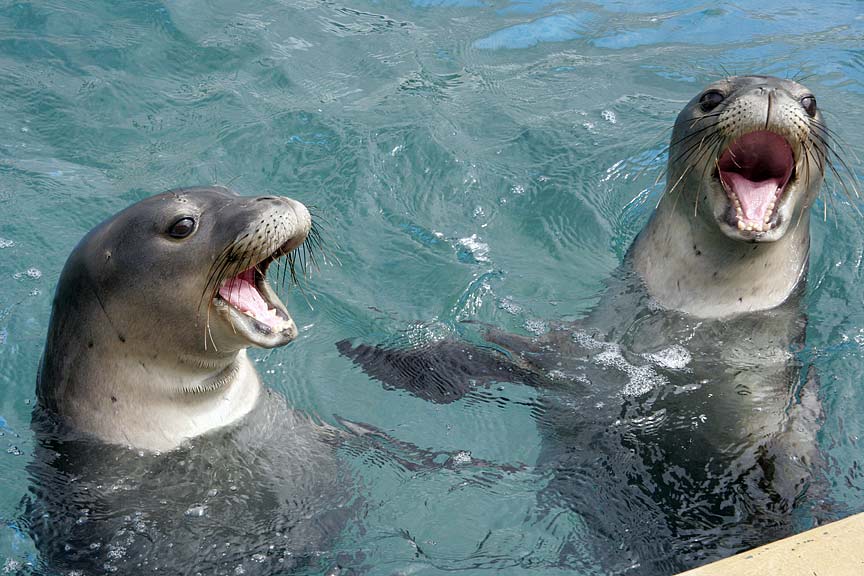
A bill recently became Hawaiian state law, increasing penalties for those caught intentionally harming Hawaiian endangered animals, including the Hawaiian monk seal. Doing so could result in up to a $50,000 fine and five years in prison, as hurting endangered animals has been raised to a class C felony. The Hawaiian monk seal was targeted to be the primary beneficiary of the bill.


The Hawaiian monk seal is currently considered to be critically endangered, with an estimated 1,000 individuals remaining. They are endemic to the Hawaiian Islands and prefer living on islands mostly uninhabited by humans. They eat fish, octopus, eel, and lobster, which they dive as deep as 600 feet to obtain. They have the ability to slow their heart rate down to 10% of the norm when they are diving, reducing their need for oxygen, and increasing the amount of time they can stay underwater, up to 20 minutes.

Because of their aversion to human activity, Hawaiian development is a major factor in the animal's decline. Also, the seals have been historically hunted for their meat and skin, as have the animals that they prey upon, leading to a decrease in available food for the species. Becoming entangled in fishing nets and predation from sharks also have reduced the seal's numbers. Conservation efforts, in addition to the increased penalties mentioned previously, include cleaning marine toxins from their habitat, disallowing humans from certain parts of certain islands (to minimize interaction), removing sharks from areas that the Hawaiian monk seals dwell, and changing fishery regulations to design more seal-friendly methods of gathering fish.

Tuesday, June 15, 2010

301 Critically Endangered Tortoises Seized


On June 8, 2010, officials at the Kuala Lumpur International Airport noticed strange movements in a passenger's bag. Upon inspection, 301 tortoises were found taped inside the bag, amidst shredded paper. 285 radiated tortoises, 15 spider tortoises and one Madagascar tortoise were confiscated. In addition to the smuggled turtles, 4.5 pounds of marijuana were discovered. The perpetrator unfortunately escaped, but at least all of the tortoises are being returned to Madagascar.


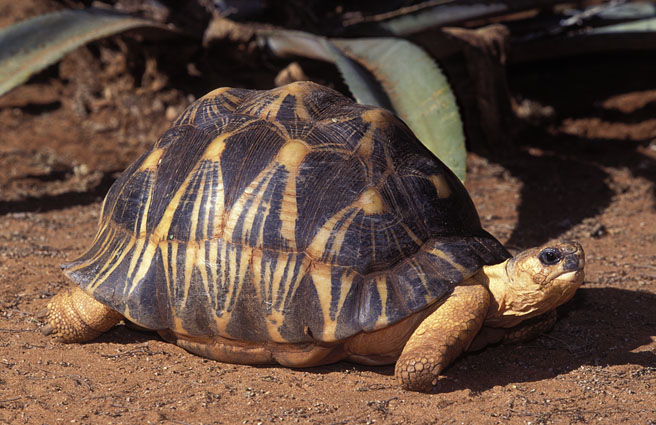
All three of the species of tortoise confiscated are critically endangered species. The Madagascar tortoise is a particularly rare animal, with only 200 adults estimated in the wild. Illegal pet trade has been a primary cause of the animal's decline, and was apparently going to spirit away one more of the few remaining individuals were it not for the airport's intervention.

The radiated tortoise is known for being the breed of the oldest reptile ever recorded, Tu'i Malila, and for the beautiful star pattern on the plates of their shells. The spider tortoise has been exploited for its meat for decades, partially because of the decline of the preferred radiated tortoise. While all three of these species are protected by Madagascan law, little is done legally to keep the tortoises protected.

Monday, June 14, 2010

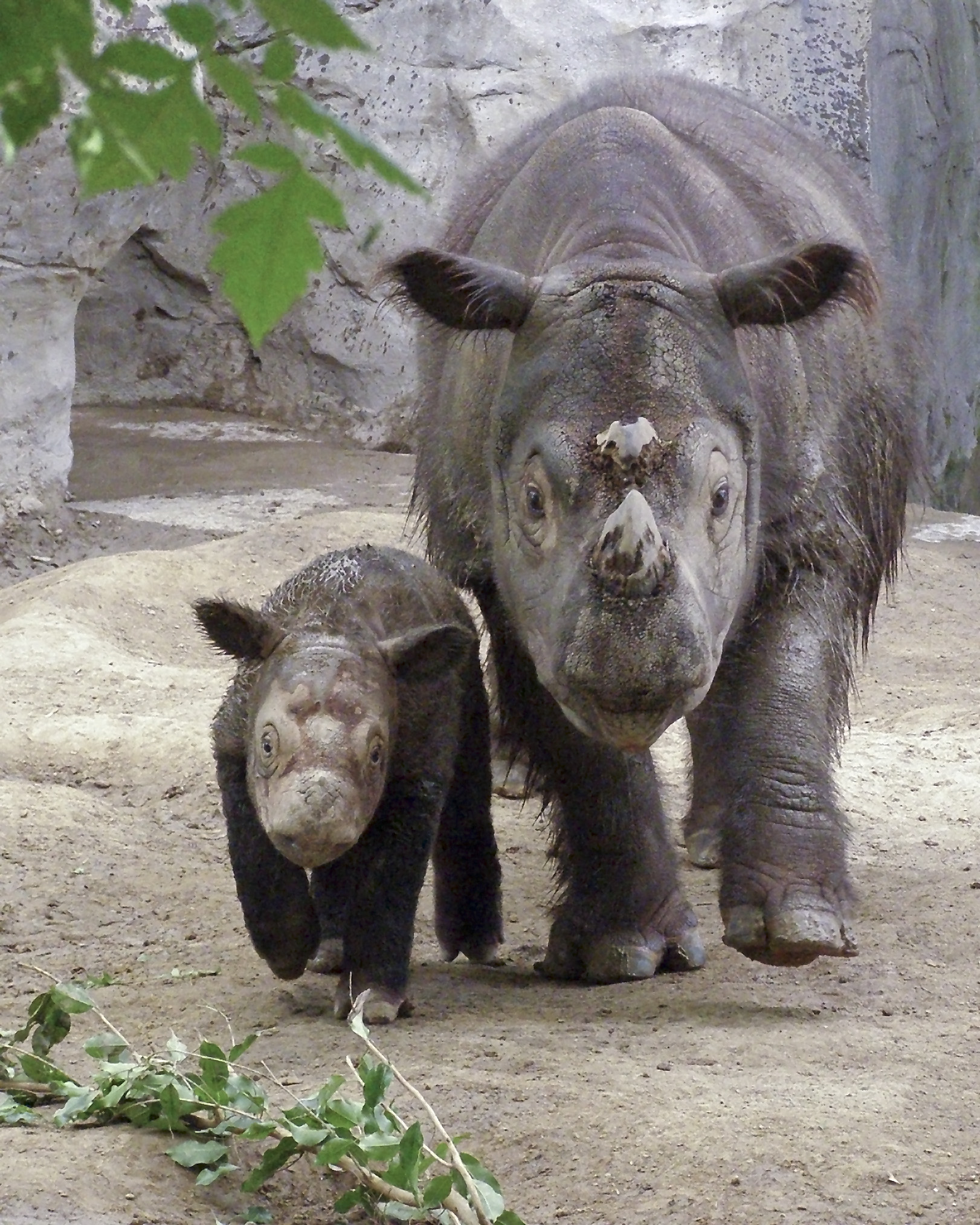
Malaysia Plans to Trap and Breed Bornean Rhino


The world's smallest rhinoceros, the Bornean Rhino, a breed of Sumatran Rhino, is dangerously close to total extinction in the wild. IUCN has categorized it as being critically endangered. Approximately 40 individuals remain, leading many to predict that current conservation methods are not aggressive enough to save the species. Malaysian officials are planning a new course of action, constructing a trap for a solitary female with the hopes to breed her with a previously rescued male. Researchers have been watching the female for several years and, without viewing a pregnancy, fear she may not be getting enough natural interaction with other rhinos to produce offspring. The trap, a concealed hole in the female's territory, has been constructed. Now it is just a matter of time, waiting for the female to become trapped and introduced to what will hopefully become her new mate.


As previously mentioned, the Bornean Rhinoceros is the world's smallest rhino, reaching only four to five feet tall at the shoulder. It has recently been proposed that it may be a relative of the Woolly Mammoth. Rhinos are herbivores, gnawing on tree saplings and enjoying salt licks. Sumatran Rhinos are the most vocal of the rhinoceros species. Like all rhinos, they have poor vision and enjoy wallowing in mud. Wallowing has proven to be incredibly important to the rhinoceros, as deprivation of mud pools in captivity has lead to many deaths.

Poaching is a major problem for all rhinoceroses, with Sumatran Rhino horns fetching up to $30,000 per kilogram on the black market. According to traditional medicine, their horns can help protect against poison and their meat can be used to cure leprosy and tuberculosis. Aside from poaching, logging of the rhino's habitat is also a substantial threat. The types of wood that rhinos typically live amongst tend to be particularly expensive. Also, because of the small number of surviving animals, breeding is becoming more rare, as rhinos do not often come into contact with each other.

Conservation is often difficult, as Sumatran Rhinoceroses do not tend to thrive in captivity. Most notably, from 1984 to 1996, 40 Sumatran Rhinos were transplanted into zoos and reserves in an attempt to breed them and preserve the species. By 1997, more than half of the captured rhinos had died. In 2004, all but eight died from a surra outbreak. In all of this time, no calves had been born at all and the project was fully deemed a failure. More research is needed to determine how the population can best be helped, although another large-scale capture-and-breed initiative seems unlikely.