Have an interesting conservation story? Want to request an adorable animal to be spotlighted?

E-mail ConservationCute@gmail.com


Thursday, May 31, 2012

Easing Florida Panthers' Migration


Conservation groups have protected over 1200 acres near the Florida Everglades, with the purpose of easing the migration of the critically endangered Florida panther. The panthers have been moving with increased frequency from the Everglades into Central Florida. Even though very few of the creatures are presumed to live and travel among the protected area, there are so little of the animals (especially females) left that their preservation is considered a top priority to many.


The Florida panther is perhaps most notably Florida's state animal.  As with all cats, the animal is a carnivore, subsisted primarily on rabbits, birds, and deer. Habitat loss due to human's development is the main cause of the stark population decrease. The panthers require about 200 square miles of habitat per breeding group of one male and three females.

Monday, September 19, 2011

Endangered Species of Australian Dolphin Discovered


It had always been assumed that the dolphins located near Melbourne, Australia were nothing more than a common type of bottlenose dolphin. While it is true that they are bottlenose dolphins, and very closely related to their more common cousins, the newly differentiated Tursiops australis, or Burrunan dolphin, is in fact its own species. This discovery came after DNA and skull samples were scrutinized by academics at the Monash University in Melbourne. Specialists are anticipating that the new species of dolphin "may immediately qualify under Australia's criteria for endangered animals," as they have so far been found to only live in one very small region of the ocean, numbering approximately 150 animals in all.


Bottlenose dolphins are notoriously intelligent creatures, solving problems and communicating in both captivity and the wild. In addition to brains, they are gifted with excellent eyesight, plus their ability to "see" using echolocation. The newly discovered Burrunan dolphin is smaller than the common bottlenose dolphin, coming it around eight feet long. Conservation efforts for the Burrunan dolphin have not yet been considered, as its existence was only recently realized.
via BBC

Friday, September 16, 2011

Four Arrested in Indonesia for Pangolin Smuggling


In July, Indonesian officials discovered twenty boxes filled with illegal pangolin meat and scales being shipped to China. MSNBC reports, "Eight tons of meat and scales, worth $269,000, were found in the boxes at Jakarta airport and at a warehouse raided the following day."


Pangolin parts are considered very valuable in Chinese culture, where they are believed to be aphrodisiacs and cure-alls. Using smoke or dogs to flush the nocturnal animals out of their dwellings, poachers easily collect pangolins, although they are becoming increasingly rare. These toothless creatures offer almost no defense against their predators, simply curling into a ball when threatened. The pangolin is protected in a variety of Asian countries, but conservationists want to push for greater penalties for those caught hunting and exporting the animals. As ant and termite eaters, pangolin survival would also benefit from a decrease in forest destruction.
via MSNBC

Friday, February 18, 2011

Endangered Status Delayed for the Pacific Walrus


The US Fish & Wildlife Service recently determined that the Pacific Walrus is threatened enough to warrant protection under the Endangered Species Act. A backlog of vulnerable species is delaying the walrus' addition to the list, however, as there are more threatened animals in need of the law. Climate change is believed to be causing the walruses their recent strife, as they depend on drifting sea ice to rear their young. The Pacific Walrus, along with other animals considered in need of the Endangered Species Act, will have its status reviewed annually to raise the importance of the conservation efforts, if necessary. The Marine Mammal Protection Act currently offers the walruses some protection, as hunting, moving, and selling of walrus or walrus parts is illegal.


The walrus is a member of the pinniped family, being closely related to seals and sea lions. Pacific Walruses can weigh up to 4,400 pounds and are known for collecting into tremendous groups, numbering in the tens of thousands. They are easy to distinguish by their large tusks and "whiskers," which are filled with nerves, making them useful for tactile detection. These "whiskers" (officially called vibrissae) may be especially useful in collecting their favorite food, clams, although their method varies from Lewis Carroll's "The Walrus and the Carpenter."

Aside from the recent climate changes, walruses numbers have been decreasing for centuries. Arctic hunters have treasured their meat and blubber for food and their ivory tusks for decoration. Walrus harvesting is now regulated throughout its habitat, restricted to only a few thousand a year, but tribal people are oftentimes still able to hunt for sustenance. It has been proposed that the current levels of harvesting are unsustainable, especially in combination with climate change.

Friday, December 10, 2010

Cute Spotlight: Numbat


The numbat is a little-known marsupial native to Western Australia. The endangered creature, also called the Banded Ant Eater, actually doesn't eat ants at all! They instead feed exclusively on termites, utilizing their long, sticky tongues when the termites crawl out of their mounds. They are quite different from most other marsupials because of their diurnal nature, they are active during the daytime. They put themselves in danger to predators during the daytime because it is the most active time for their termite prey as well.


The numbat was perhaps most affected by the introduction of feral cats, red foxes and rabbits into their territory. The rabbits have overpopulated areas where the numbats had previously dwelled. The foxes and feral cats prey upon the numbats while they sleep in hollow logs, the cover being the only way they protect themselves while they sleep at night. The importance of the log shelters has made the numbat population dependent upon the existence of wooded areas. As Australian populations and development have increased, the number of forests, and their logs have decreased. Current conservation efforts include protection for the numbat under Australian threatened species law, and fox population control.

Tuesday, November 30, 2010

List of Unique and Threatened Mammals Announced


Earlier this month, the Zoological Society of London announced its picks for the most distinct and endangered mammals. Topping its list were several species of echidna, all three of which are considered to be critically endangered. The list is comprised of animals that the ZSL considers to be "evolutionarily distinct," "represent[ing] a huge amount of mammalian genetic diversity." The other animals on the top of this list include the aardvark, platypus, monito del monte (resembling a mouse-monkey cross), two types of Solendons (which resemble large elephant shrews), and the dugong.


The echidna, also called the spiny anteater, is one of only two species of egg-laying mammals (monotremes). Although babies, called puggles, are born from an egg, they hatch inside of their mother's pouch and return to her for breast-feeding. They primarily eat insects, using their long snout and sticky tongue to collect their dinner from anthills and logs. They live exclusively in Papau New Guinea, where they have been hunted to critical endangerment. Some designated areas exist where the echidna cannot be harmed, but more conservation is needed to protect these and all unique and endangered species from extinction.

For a complete listing of the 100 most endangered and unique mammals, visit EDGE.

Friday, November 5, 2010

Extinct-in-the-Wild Pygmy Rabbits Attempt Reintroduction to Nature


The US Fish and Wildlife Service recently completed a five-year study on the status of the Columbia Basin Pygmy Rabbit. Perhaps the country's most endangered lagomorph, the Washington state rabbit has been on a watchlist of endangered species since 1993. Wild populations of the animal have been extinct since 2004. These tiny creatures, weighing less than one pound in adulthood, have been bred in the Oregon Zoo, Northwest Trek, and Washington State University since that time, although they have not fared well in captivity. To prevent inbreeding, the rabbits have recently been bred with other species of pygmy rabbits, but diseases hidden in their burrows' soil have extinguished many of the new lives.


In 2007, twenty of the captive-bred rabbits were released into the wild in an area where the species was previously known to dwell. Unfortunately, because of the small size of both their bodies and the size of the released population as a whole, it is believed that none survived very long after their release. Further releases into the wild are being considered, but it is unlikely that the next round of pygmy rabbits will do any better against predators this time around.

Thursday, October 28, 2010

New Species of Critically Endangered Monkey Discovered

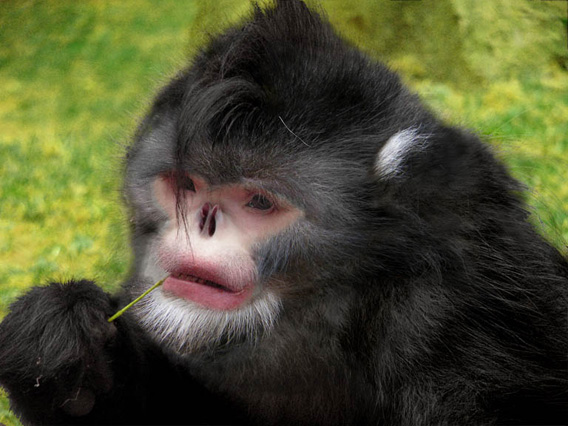
The Myanmar, or Burmese, Snub-Nosed Monkey was only recently discovered in early 2010. While no live examples of the species have been found, a carcass of the creature has offered insight into the lives of these new animals. Their open, upturned nose is its most distinguishable feature, causing the monkey to sneeze during storms as water enters his naval passages. To avoid this, the monkeys have been seen by locals sitting with their faces tucked downwards, protecting their noses from the rain.


The Myanmar Snub-Nosed Monkey has already been considered as being critically endangered, despite having never been scientifically documented. Researchers believe that that only approximately 300 individuals survive, having been hunted for their meat by the locals, and caught in traps. The Chinese logging industry is blamed as another cause of the monkeys' low numbers. The areas being cleared out, both legally and illegally, is encroaching upon the areas where these monkeys are thought to dwell. Conservationists are already moving to educate local people and to create a protected area where the monkeys can roam safely.

Thursday, September 16, 2010

New, Large Species of Elephant Shrew Discovered


The Zoological Society of London recently announced its discovery of a new species of elephant shrew. A DNA analysis to be performed to verify that the creature is indeed its own, heretofore unknown species. Those who have seen the above photograph of the new animal believe that it is indeed an independent creature, from the photo alone, simply because of its large size and coloring. Camera traps were set after a zoologist failed to recognize the unique looking animal in a north-eastern Kenyan forest. If this proves to be a unique species of elephant shrew, it will be only the eighteenth type of the strange animals to have been discovered.


Elephant shrews are found only in Africa, spread among various types of African landscapes, from mountains to forests to deserts. Elephant shrews, also known as sengis, are known most notably for their long snouts and small size. They are, interestingly, not actually related to shrews at all, but are instead more closely related to elephants, aardvarks, and hyraxes. They are very active during the daytime, but are not particularly social, aside from their monogamous relationships. They mostly eat worms and insects, and the occasional plant matter, using their nose to locate the food, and their tongue and teeth to take in pieces of their small prey. They have short life spans, living only up to four years.

The large elephant shrews are almost all considered to be vulnerable or endangered. The species are threatened by forest clearing and other forms of habitat destruction, as well as by being targeted as food. Conservation efforts have not been focused on the elephant shrews in particular, but some action has been done to protect the areas where they live.

Tuesday, September 14, 2010

Possible Cure for Lethal Bat Disease


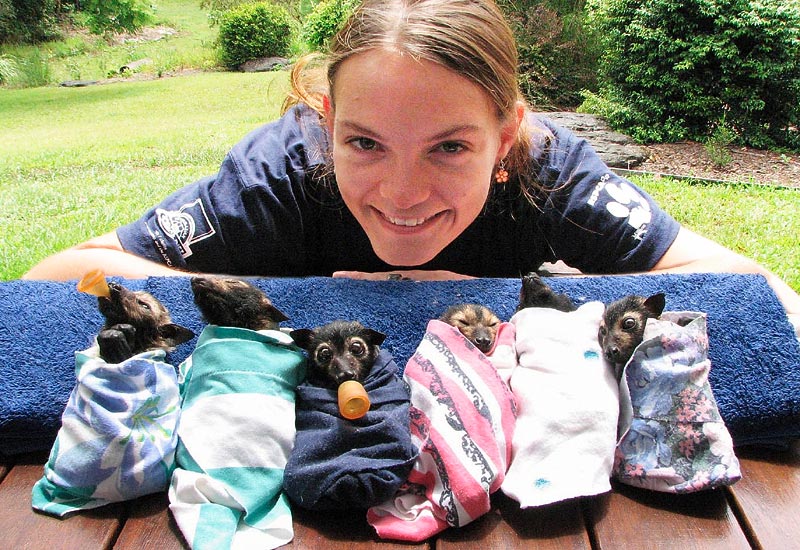
White nose syndrome is a recently-discovered fungal disease that has been killing millions of bats across the United States in the last few years. The disease harms the bats by irritating their skin, waking them out of hibernation. This causes the bats to waste their stored energy, trying to eat and fly while it is still too cold. It is also believed that the infection may harm the bats' wings.  It has been calculated that within the next two decades, several species of bats may be completely extinct because of this syndrome. Indiana bats (currently endangered), eastern pipistrelles, northern long-eared myotis, and little brown bats have all been recorded with the disease. It is estimated that 2.4 million pounds of bugs will go eaten because of the bat population decline.

New research however has shown the first sign of a possible cure. As white nose syndrome is well known to be a fungal infection, scientists recently began testing to see if human fungal eradicators could work on the bars as well. While research is still in preliminary stages, it has been found that many over the counter fungal medicines are beneficial in fighting against the infection. Methods of applying the new found knowledge are in discussion, as it is not known how different species of bats or caves may be affected.


The Indiana bat is perhaps most easily threatened species of bat, currently listed as endangered by the IUCN. The entire length of a bat is typically only one to two inches long. Since 1975, their population has been cut in half. They live an average of seven years and feed exclusively on insects. In addition to the recent onslaught of white nose syndrome, the bat has been threatened by predators (including their biggest predator, human beings), pesticide use, and forest decline.

Friday, September 10, 2010

Rare Dwarf Seahorse Threatened by BP Spill


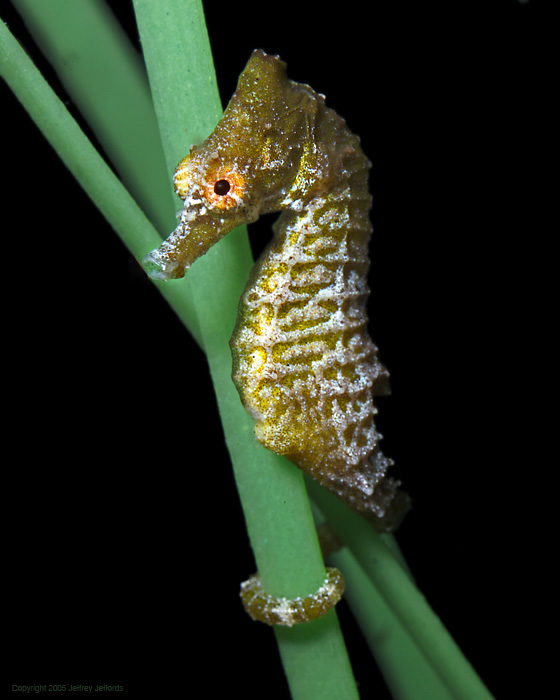
The Dwarf Seahorse, a rare and elusive creature to begin with, is threatened with the possibility of extinction due to the notorious oil spill that began April 20, 2010. These seahorses swell only in shallow waters throughout the Gulf of Mexico and the Bahamas. Because seahorses are poor swimmers, this species, like others of its kind, spend much of their time clinging to sea grasses. Unfortunately, clumps of vegetation near the oil spill were an easy destination for the heavy oil, collecting in the plants. The dark, clumpy oil starved the sea grasses, and the seahorses of light and oxygen. Aside from the murk and muck in the grasses caused simply by the oil, further complication arose when oil clean-up began to include setting such plant life ablaze, and releasing millions of gallons of toxic oil dispersent. Seahorses tend to produce relatively few offspring, and the grasses killed by the oil will need years to regrow. It is unclear how the oil and the dispersents may affect adults' hormones, or the health of newborn seahorse fry.


Dwarf seahorses are among the smallest species of seahorse, growing to only about two inches long. As with all seahorses, the males are the ones to become pregnant, carrying the babies for approximately ten days. They are carnivores, despite their small size, subsisting off baby brine shrimp and other shrimp larvae. Aside from the recent oil spill, the species has been threatened by the aquarium trade and from being bycatch during trawling. The size of the population is unknown, as they are rare, very small, and generally unresearched. Conservation efforts currently only involve regulations on the aquarium trade industry.

Monday, August 30, 2010

French Population of European Otters Increasing


The European, or Eurasian, Otter population in France was at an all-time low in the 1970s, down to 1,500 otters in the French wild, where once 50,000 had dwelt. They had once covered Africa, Asia, and Europe, but even now, the otters are extinct from some of these continents. Water pollution and demand for their luxurious coats led to the diminished population through most of the twentieth century. The 1980s and 1990s brought the first legal protection of the species, the banning of jaw traps, and increased water quality. France continues to work to reintroduce animals to the wide regions they once roamed, although they have so far been unsuccessful. In 2004, the European Otter's conservation status was lowered from vulnerable to near threatened, and, even since, their numbers have continued to rise.


The European Otter is an aquatic mammal with a current range from Russia to Europe, and including parts of the Middle East. They eat a variety of foods depending on availability, including fish, birds, bugs, and small mammals. They live in both salt and fresh water, requiring access to each. Interestingly, it is believed that they have adapted to smell underwater. They are relatively territorial and solitary creatures, desiring an area of approximately eleven miles for themselves, allowing mild overlapping only with members of the opposiste sex. Despite their isolation, they have a system of communication, able to make more than a dozen basic calls to one another.

Since their inclusion on many conservation lists, their numbers have increased. Hunting is illegal in many areas and tunnels have even been built in some countries to allow the otters safe passage under roads. Diverting natural water sources into canals and dams still causes the otters major turmoil, as do pollutants, both new and accumulated. A European Breeding Programme has been established to elevate European Otter populations, but it is a controversial subject as to whether captive-bred otters can be successfully introduced into the wild.

Friday, August 6, 2010

Smithsonian Breaks Record for Black-footed Ferret Births


The Smithsonian National Zoo's conservation facility has announced that it has broken its previous record in the number of both Black-footed Ferret litters and total kits born this year. A total of twelve litters, fifty kits, have been born to the Conservation Biology Institute since just May 7, 2010, with all but one surviving. These ferrets only go into heat once a year, so intricate breeding plans are crucial. Approximately 500 Black-footed Ferrets have been born to the Smithsonian Zoo's conservation center since they first received a handful of the creatures in 1988. The ferrets born throughout this year so far are going to be entering the National Black-footed Ferret Conservation Center, with the hopes of educating them and releasing them into the wild.


Black-footed Ferrets are an endangered mammal, ranging throughout central North America. The small animals have been considered endangered in the US since 1967, with only one known population by 1985. In 1985, the last of the species were taken into captivity to attempt breeding. Breeding and reintroduction to the wild have both been incredibly successful, with the 18 captured ferrets leading to a current estimated world population of 1,000, with 750 existing in the wild.  

The Black-footed Ferret's decline was due in part to its strong dependency on prairie dogs. The ferrets eat approximately 100 prairie dogs each year, and shelter in their burrows after eating. As prairie dog populations waned due to habitat destruction and their reputation as a nuisance to farmers, Black-footed Ferret populations followed. Diseases had also spread among both of the species, with prairie dogs contracting both bubonic plague and monkeypox. The ferret breeding and releasing programs have drastically strengthened their numbers. Prairie dogs are also experiencing new conservation efforts, including education to farmers that their benefits outweigh their costs, and transportation of healthy colonies into areas with sparse populations.

Tuesday, July 13, 2010

Tiger Conservation Summit Planned


Thirteen countries are planning to meet to discuss improving tiger populations worldwide. The meeting will take place in Bali, Indonesia, scheduled for September 15-18, 2010. The Bali Tiger Forum has been constructed to plan the global summit, which will focus on how to double the tiger population by 2022. In addition to the thirteen senior government officials, the summit will also be attended by tiger experts and NGOs.


Tigers are the largest of the big cat species, weighing in at over 600 pounds for some males. There are nine tiger subspecies in the world today, dwelling throughout Asia, with three known species that have become extinct. Almost half of all tigers in the wild are Bengal tigers, as are most in captivity. Another subspecies, the South China Tiger is the most critically endangered of the tigers, being considered one of the ten most endangered animals in the world. All tigers are strong swimmers, and have recently been found to even do some hunting from water. They are almost exclusively carnivores, hunting animals as small as fish, and as large as buffalo, who commonly weigh six times more than the tiger. Interestingly, their distinctive striped pattern is not just on their fur, but can be found on the tiger's skin, visible even if shaved. The stripes appear to be useful in camouflaging the animal among shadows of tree branches and grasses.

Wild tigers are becoming incredibly endangered. While an estimated 12,000 tigers are kept as pets in the USA alone, only between 3,000 and 5,000 adult tigers exist in the wild, globally. Poaching of tigers, for their beautiful fur and for use of their body parts as part of traditional medicine, is one of the main causes of the population decline, alongside habitat degradation. Conservationists hope to increase penalties against poachers and those who illegally farm tigers for their parts. It is hoped that the large captive population of tigers can one day be reintroduced into the wild.

Wednesday, July 7, 2010

Toledo Zoo to Release Endangered Butterflies


Tomorrow, July 8, 2010, at 11am, the Toledo Zoo will be releasing endangered Karner blue butterflies in Spencer Township, Ohio. The release is in conjunction with Ohio Department of Natural Resources Division of Wildlife, and the US Fish and Wildlife Service.

The Toledo Zoo was the first to breed Karner blues for reintroduction to the wild and have since released over 5,000 of the species into Ohio locations. In the past, the Toledo Zoo has also released hundred of purplish copper butterflies, which are endangered in the state. The breeding techniques utilized in rearing Karner blue and purplish copper butterflies are being used to one day help release other, even more endangered butterflies into the wild.


The Karner blue butterfly is the official state butterfly of New Hampshire, although they are spotted occasionally in Minnesota, Wisconsin, Indiana, Michigan, and New York. They are dependent upon a type of blue-purple flower called the wild lupine, as it is the only source of food for the larvae. While it takes between 30 and 60 days for the butterfly to emerge, from egg through pupation, as an adult, the butterfly typically only lives about four days. Interestingly, the Karner blue butterfly shares a distinct relationship with several ant species. The ants will tend the butterfly larvae (and occasionally eat some of them), and the larvae will emerge as an adult faster, and will have gained more weight.

The Karner blue butterfly is currently considered to be an endangered species. It has been eliminated from five of the states where it used to dwell. Use of herbicides that kill the needed lupine plant, increased deer populations, and mowing or plowing important plants are all leading to the destruction of the Karner blue habitat. Because of their beauty, this species has also been victim to collection by uninformed butterfly enthusiasts. Continued efforts such as the Toronto Zoo's in breeding and releasing butterfly populations is one of the main ways conservationists hope to improve their numbers. Protecting their habitat and increasing awareness about the vulnerability of the species and the importance of the lupine plant are also hoped to increase the population of this blue beauty.

Tuesday, July 6, 2010

Disney Reveals Plight of Cottontop Tamarins


Disney's Animal Kingdom conservation biologists, headed by Dr. Ann Savage, have determined an accurate population estimate of the critically endangered cottontop tamarin. Dr. Savage reports in the journal Nature Communication that approximately 7,000 individuals remain in the wild. Prior to the study, a reliable way of calculating the population size had not been known. What Dr. Savage discovered is that the cottontop tamarins are attracted to the sound of other tamarin voices. Recorded tamarin vocalizations were played in the cottontop's habitat, as the researchers counted the number of individuals who came to determine the noise's source.


The cottontop tamarin is a small monkey living exclusively in the wild in the rain forests of Columbia. They are small creatures, weighing less than a pound in adulthood, and measuring only six inches from head to start of the tail. They eat a varied diet of natural vegetation and small animals such as lizards and insects. They have an advanced communication system, using 38 different sounds and adhering to grammatical rules. The cottontop tamarin females are especially nurturing, oftentimes forgoing their own fertility to care for other tamarins' young as needed, even sharing food with non-related juveniles.

Forest loss is the main cause for the cottontop tamarin's decline. Even in protected areas, forests have been shrinking. Although they have been protected in Columbia since 1969, the animal was often taken for use in the medicinal, pet trade and zoo industries. It is currently illegal to export the monkey. The cottontop tamarin has been especially sought after by the medicinal community, as it is the only species outside of humans that spontaneously develop colon cancer. Tens of thousands of tamarins were imported into the US in the 1960s and 1970s for research into treatment of the cancer. Dr. Savage's previously mentioned study is the first of its kind, researching the cottontop tamarin. Otherwise, little has been done to protect or research the species. Training local populations to respect the tamarin and the rain forests, and continuing to breed cottontop tamarins in captivity are currently the main conservation efforts being utilized.

Thursday, July 1, 2010

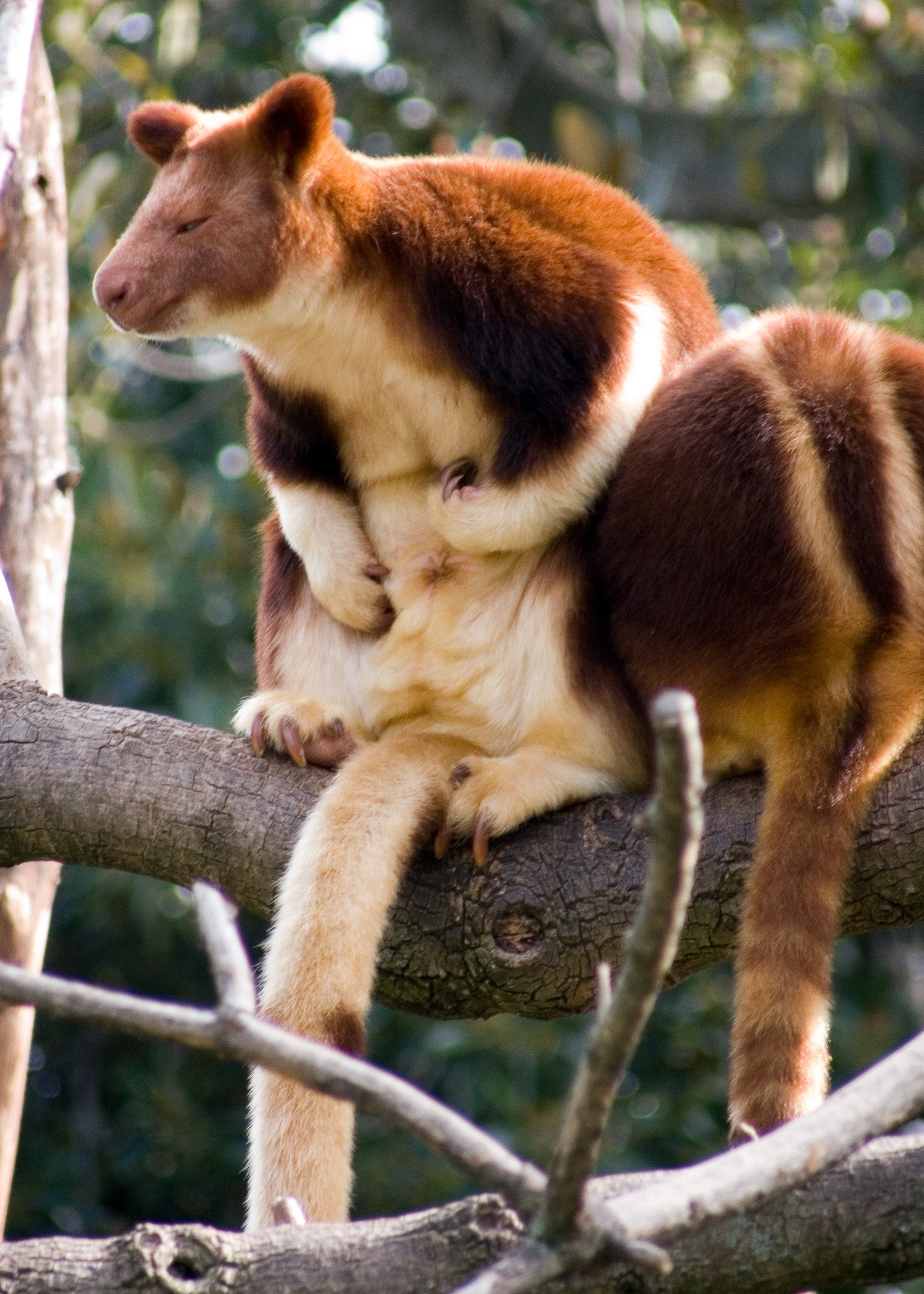
Goodfellow's Tree Kangaroo Joey Makes Appearance


A Goodfellow's Tree Kangaroo joey has made its first appearances, six months after its birth. The joey has not yet been named, despite it being approximately 25 weeks old. The baby should emerge fully from its mother's pouch in the next few weeks.


Goodfellow's Tree Kangaroos are currently considered to be endangered, but it is expected that they will be downgraded to the status of critically endangered soon because of their waning populations. Dwelling only on the island of Papau New Guinea, they are solely herbivores, primarily eating the leaves of the Silkwood tree. As can be seen from the above pictures, they are marsupials. They are awkward walkers, but excellent climbers and hoppers. They have been said to hop from standing on the ground to heights of 30 feet.

Tree kangaroos, of which there are approximately 12 species, live exclusively in New Guinea and Australia. Most of them are considered to be either endangered or critically endangered. Logging and other development of rain forests have lead to much of their population decline, as well as being hunted for their fur and meat by the islands' indigenous people. Increasing protected areas and local awareness are recommended to preserve what remains of the species.

Wednesday, June 30, 2010

Finless Porpoise at Greater Risk


The finless porpoise has long been considered to be a vulnerable species, with only a few thousand individuals in the wild. A new study has found, however, that there are actually two separate species of finless porpoise, cutting the number of individuals down by half for each type. One lives in the Yangtze River, making it the only porpoise to survive in fresh water. This species is very rare, with approximately 1,000 porpoises living. The other lives in sea water, dwelling in the Yellow Sea and South China Sea. This revelation is hoped to cause more conservation efforts, as each type of finless porpoise has been found to be closer to extinction than previously thought.


The finless porpoise is a midsized marine mammal found primarily in coastal Asian waters. Their name stems from their lacking of a dorsal fin, a small ridge in its place, extending from its blowhole to its tail. They weigh between 65 and 100 pounds, and can grow to over five feet long. Although related to whales and dolphins, their behavior is more subdued, as they tend to be more shy of boats and do less playing in the waves.

The finless porpoise is currently considered to be an endangered species only in China. Their main threats are habit degradation, being caught in fishing nets, and enduring the after-effects of dredging lakes. Pollution has also been considered a dangerous threat, as are boat accidents. Hunting the porpoises has never been popular, as most have an aversion to eating the rare species, but when they are accidentally killed by becoming entangled in nets, or as byproducts of illegal electric fishing, they are sometimes sold as food.

Friday, June 25, 2010

Red Panda Cub Born at Smithsonian Zoo


The first Red Panda cub to be born to the Smithsonian National Zoo in the last fifteen years came into the world on June 16, 2010. It was love at first sight for the cub's parents, who began breeding behavior almost immediately after introduction. Neither of them had previously birthed children. The Red Panda exhibit is currently closed to give the first-time mom and her new cub ample time to bond.


Red Pandas, unlike the panda bears they are named after, are not a type of bear at all. Their closest relatives are actually raccoons and weasels, although there has been ongoing controversy over their correct scientific classification. They are found in the forests of the Himalayas, from Nepal to China, and in India and Myanmar. They primarily eat bamboo and their bodies have evolved to better adapt to foraging for their food of choice. They have retractable claws curving inwards to better grasp bamboo and narrow tree branches.

Because of their beautiful coloration, Red Pandas have been victim to hunting and poaching. As with most, if not all tree-dwelling species, the Red Panda has also been suffering from habitat loss and deforestation. While they are currently only deemed to be vulnerable by the IUCN, but other organizations estimate that the population is smaller than the IUCN has calculated, and believe that the Red Panda should be considered endangered. Despite the fact that it is not technically considered to be endangered, the Red Panda is protected in every country that it dwells. Some areas where they reside have also found conservation status, hoping to protect the population, but the areas can be hard to police. Continued captive breeding programs are recommended by conservationists to keep a healthy strain of the animal alive, as fewer Red Pandas in the wild have led to some inbreeding. Protecting larger areas of land and properly enforcing existing legal protections are also recommended to rescue the Red Panda.

Thursday, June 24, 2010

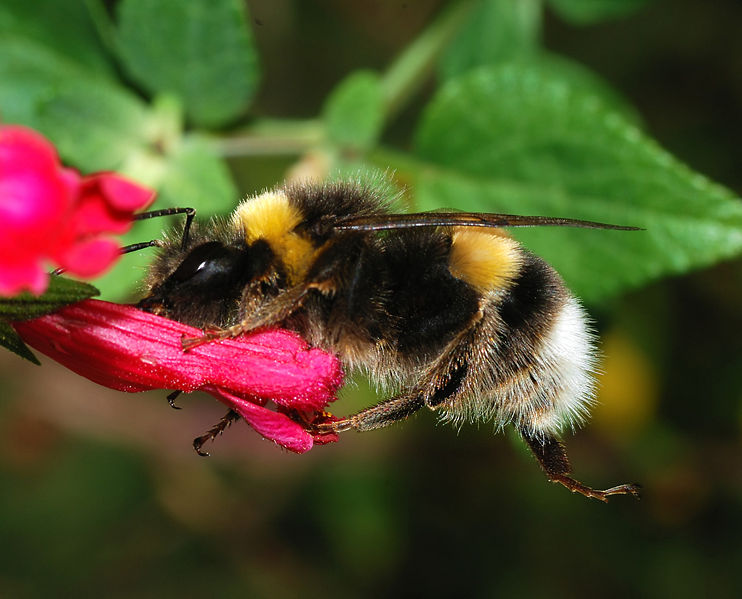
Conservation Protection Sought for Bumblebees


A petition was filed by the Society for Invertebrate Conservation to add several species of bumblebee to the endangered species list. The Rusty Patched, Western, and Yellow Bumblebees have all seen a drop in population in current years, in addition to the Franklin's Bumblebee which is already considered a critically endangered species. The society hopes that the US Department of Agriculture will approve actions to measure and regulate commercial bumblebee movement between states. Diseases are killing off the bumbles, with two species (Franklin's and Rusty Patched) nearing extinction. The petition asks that bumblebees receive certification that they are disease-free in order to be moved to non-native areas in the country.


Bumblebees are most known for their transmission of pollen between plants, vibrating its flight muscles to shake pollen out of oddly-shaped plants, and later to disperse the pollen. Also, the furry hairs on their backs, called pile, accumulates electrostatic charges as they fly, making the pollen attracted to their pile. Only the queen and the worker bees have the ability to sting, while the small male drone bumblebee do not. They are not aggressive insects though and will not sting unless necessary, as the worker bees will die after stinging a human and losing its barb in our muscle tissue. Bumblebees do produce honey, as their honey bee cousins are known for, but they only produce it in quantities to feed their young.

Bumblebees populations have been decreasing because of habitat destruction and the use of pesticides. Bees are estimated to have lost 90% of their population in the last 50 years, with Africanized bees taking over some areas. Bumblebees are especially vulnerable where cotton is grown, as the crop tends to be sprayed with insecticide many times over the growing season. Even in typical lawns, bumblebees are losing ground, as homeowners treat dandelions and clovers as weeds, stripping the bees of necessary nutrients. Other types of development of property and destruction of natural weeds and flowers are just as harmful. Conservationists are hoping to restore wildlife areas and encourage diversifying landscapes with bee-friendly plants.